






“The future of work is not just about remote work; it’s about creating a better work-life balance,” said Richard Branson, highlighting the significant shift in how we approach our professional lives. The COVID-19 pandemic has been a catalyst for this change, forcing millions of employees to work from home and challenging traditional norms.
The pandemic transformed the way companies operate, with many discovering that productivity didn’t suffer, and in some cases, it even increased. As a result, a significant percentage of employees now prefer remote work arrangements, with some indicating they would quit their jobs rather than return to an office setting.
This shift has profound implications for insurance coverage, affecting various types, including homeowners, auto, workers’ compensation, health, and business insurance. As remote work becomes the new norm, understanding these insurance implications is crucial for both employees and employers to navigate the changing landscape effectively.
The Shifting Landscape of Remote Work and Insurance
The COVID-19 pandemic has revolutionized the way we work, accelerating the shift towards remote work and challenging traditional insurance models. As a result, companies are reevaluating their work environments, and the insurance industry is facing unprecedented challenges in providing adequate coverage.

How the Pandemic Transformed Work Environments
The pandemic has triggered a significant shift in work environments, with many employees preferring to work from home. Productivity has not suffered, and some companies are continuing to allow their workers to operate remotely. According to recent statistics, the number of remote workers has increased dramatically during and after the pandemic, becoming a permanent feature of the modern workplace.
| Year | Remote Workers (%) | Insurance Claims |
|---|---|---|
| 2019 | 15% | 100 |
| 2020 | 40% | 120 |
| 2021 | 60% | 150 |
Why Traditional Insurance Models Are Being Challenged
Traditional insurance models were designed with assumptions about where and how people work that no longer apply in many cases. Conventional insurance policies often contain exclusions or limitations that create coverage gaps for remote workers. As business activities are conducted in personal spaces, the lines between personal and commercial insurance coverage are becoming blurred.
Employers and employees must navigate these changes, understanding their insurance responsibilities in the remote work environment. Insurance companies are responding by developing new products and adapting existing policies to accommodate remote work arrangements.
Homeowners and Renters Insurance for Remote Workers

As remote work becomes the norm, understanding the implications for homeowners and renters insurance is crucial. Many remote workers use their personal equipment for work, which can lead to coverage limitations under standard insurance policies.
Coverage Limitations for Business Equipment
Typically, homeowners and renters insurance policies limit coverage for business equipment to amounts between $1,500 and $2,500. For remote workers with expensive technology, this can be insufficient. Documenting business equipment used in the home office is essential to determine if additional coverage is needed through endorsements or separate business policies.
Liability Considerations When Clients Visit Your Home Office
Standard homeowners policies often exclude business-related liability claims. When clients or vendors visit a home office, there’s a liability gap that needs to be addressed. Remote workers can consider home business endorsements or in-home business policies to mitigate this risk.
Conducting a home office risk assessment can help identify potential insurance gaps and hazards. This includes considering data breaches occurring on home networks or injuries to delivery personnel bringing business packages. Insurance companies determine whether damage or liability is business-related versus personal, affecting coverage.
For renters who work remotely, navigating landlord requirements and insurance limitations is crucial. Understanding the specifics of renters insurance and how it applies to home offices can help remote workers make informed decisions about their coverage needs.
Auto Insurance Implications for Remote Workers

The shift to remote work has significant implications for auto insurance, particularly when personal vehicles are used for work purposes. As remote workers increasingly use their personal vehicles for business-related activities, they may inadvertently create gaps in their insurance coverage.
Personal vs. Business Use of Vehicles
Personal auto insurance policies typically exclude coverage for business use of vehicles. Commuting to a traditional office is generally covered, but using a personal vehicle for business purposes, such as making deliveries or traveling between work locations, often requires additional coverage. The rise of remote work has blurred these lines, making it essential for remote workers to understand their insurance needs.
Coverage Gaps to Be Aware Of
Remote workers may unknowingly engage in business use of their vehicles, triggering the need for commercial auto coverage or endorsements. For instance, delivering work materials, transporting colleagues, or using a vehicle for work-related errands may not be covered under a standard personal auto insurance policy. It’s crucial for remote workers to communicate with their insurance providers about changes in their vehicle usage patterns to avoid potential coverage gaps, including claim denials and policy cancellations.
To address these gaps, remote workers can explore coverage options such as business-use endorsements or hired/non-owned auto coverage. Understanding how employers’ insurance policies interact with personal auto insurance when employees use their vehicles for work purposes is also vital.
Workers’ Compensation in the Remote Work Environment

As remote work becomes the norm, understanding workers’ compensation in this new environment is crucial. Workers’ compensation laws vary significantly from state to state, impacting how remote workers are covered.
State-by-State Variations in Coverage
The rules governing workers’ compensation for remote employees differ dramatically across states. For instance, some states may require employers to maintain a safe work environment for employees working from home, even if clients or vendors are not visiting.
Employers must be aware of these state-by-state variations to ensure compliance with workers’ compensation regulations. This includes understanding the specific requirements for reporting work-related injuries and maintaining a safe workspace for remote employees.
Employer Responsibilities for Home Office Safety
Employers have a responsibility to ensure that remote workers have a safe working environment. This includes providing guidance on ergonomic considerations and home office safety guidelines.
To fulfill these responsibilities, employers can establish clear remote work policies that define working hours, break periods, and designated work areas. This not only helps in determining workers’ compensation eligibility but also promotes a safe and healthy work environment for remote employees.
Health Insurance in the Age of Remote Work
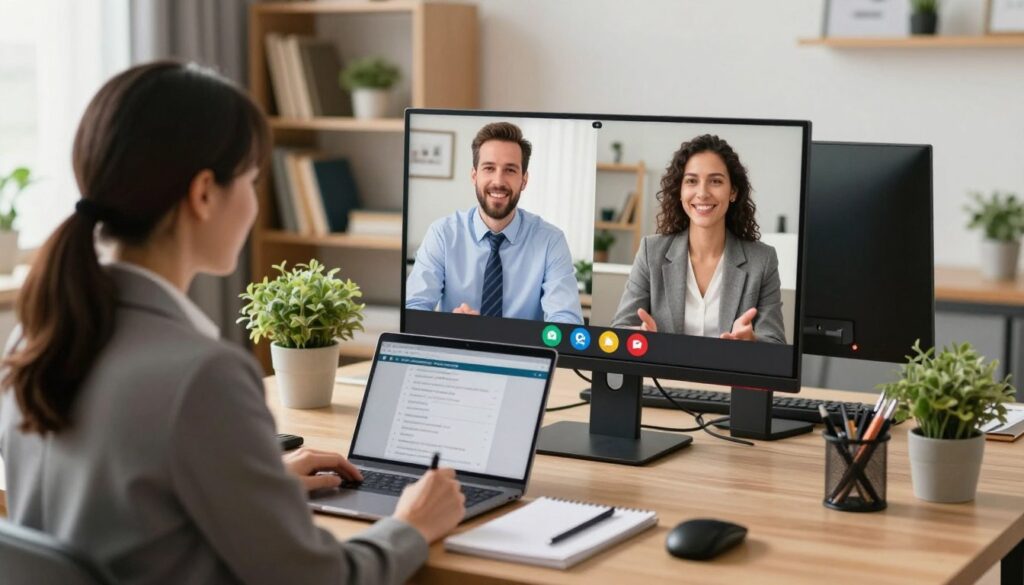
The remote work revolution has brought health insurance to the forefront of employee benefits discussions. As companies continue to embrace flexible work arrangements, they face new challenges in providing comprehensive health insurance to their distributed workforce.
Options for Local Remote Workforces
For remote employees working within the same state or region, employers have a couple of primary options to consider. Traditional Group Plans have been the standard, but they come with limitations, especially when employees are spread across different areas with varying in-network provider options.
Traditional Group Plans vs. HRAs
Health Reimbursement Arrangements (HRAs) offer a more flexible alternative. HRAs allow employees to purchase individual health insurance plans that best suit their local healthcare needs. Employers can then reimburse employees for premiums and other medical expenses up to a set limit, providing a tax-advantaged benefit.
Telemedicine and Virtual Healthcare Benefits
The rise of telemedicine has been a game-changer for remote workers, providing consistent access to healthcare services regardless of location. Employers can enhance their health insurance offerings by including virtual healthcare benefits, ensuring that remote employees have access to quality care.
Solutions for Multi-State Remote Teams
Managing health insurance for remote teams spread across multiple states presents unique challenges, including compliance with state-specific insurance regulations and navigating provider network limitations.
National Health Insurance Plans
National health insurance plans are designed to provide consistent coverage across state lines, making them an attractive option for distributed workforces. These plans can simplify the process of managing health insurance for multi-state teams.
State-Specific Health Insurance Considerations
Employers must also consider the specific health insurance regulations in each state where their remote employees reside. This includes understanding the local healthcare landscape and ensuring compliance with state laws.
Global Health Insurance for International Remote Workers
For companies with remote workers based in different countries, global health insurance becomes a critical consideration. Employers must navigate the complexities of international healthcare systems.
International Health Insurance Plans
International health insurance plans can provide comprehensive coverage for remote workers abroad, often including access to a global network of healthcare providers.
Health Stipends and Reimbursement Models
Another approach is to offer health stipends or reimbursement models, allowing international remote workers to purchase local health insurance that meets their specific needs.
By adopting flexible and comprehensive health insurance solutions, employers can support the well-being of their remote workforce, regardless of location.
Insurance Considerations for Self-Employed Remote Workers
As the gig economy continues to grow, self-employed remote workers face unique insurance challenges that require specialized coverage. With almost 30 percent of Americans being self-employed, according to a pre-pandemic Gallup study, the need for tailored insurance solutions has become increasingly evident.
Self-employed individuals working from home often mistakenly believe that their personal insurance policies cover their business activities. However, this is typically not the case. For instance, homeowners insurance usually doesn’t cover damage to business equipment, and liability coverage may not extend to client or vendor injuries sustained on business premises.
Small Business Insurance Policies
To address these gaps, self-employed remote workers should consider small business insurance policies, including Business Owner’s Policies (BOPs) that combine property and liability coverage. A BOP can provide comprehensive protection against various risks, including business interruption and cyber threats.
Professional Liability and Cyber Insurance
Professional liability insurance, also known as errors and omissions insurance, protects self-employed remote workers from claims of negligence or inadequate work. Additionally, cyber liability insurance is crucial for remote workers handling sensitive client data or conducting business online, as it covers costs associated with data breaches and cyber-attacks.
Determining the appropriate coverage limits involves assessing the nature of the business, client contracts, and potential risks. Self-employed remote workers should also consider business interruption insurance to protect against income loss due to covered perils affecting their home office.
It’s also important to explore tax considerations related to business insurance premiums, as these expenses can be deducted as business costs. Self-employed individuals can find affordable insurance options through professional association group plans and industry-specific coverage packages.
Conclusion: Future-Proofing Your Insurance in a Remote Work World
The shift to remote work has significant implications for insurance, requiring a fresh look at existing policies. As remote work continues to grow, it’s crucial for both employers and employees to understand how their insurance coverage is impacted.
For remote workers, it’s essential to evaluate current insurance policies and identify potential gaps in coverage. This includes considering health insurance, workers’ compensation, and other relevant insurance types. Employees working from home should be aware of their employer’s insurance policies and any requirements for maintaining a safe work environment.
Employers with remote teams must also take proactive steps to ensure adequate insurance coverage. This includes regularly reviewing and updating policies as remote work arrangements evolve. Clear communication between remote workers and their insurance providers is vital to ensure that all parties understand the nature of their work activities and any specific insurance needs.
As remote work becomes more established, insurance products and regulations are likely to evolve. Emerging trends, such as parametric insurance and usage-based coverage models, may offer new options for remote workers and employers. To future-proof their insurance, individuals and businesses should stay informed and consult with insurance professionals who specialize in remote work arrangements.
FAQ
What type of insurance coverage do remote workers need for their home office?
How does working remotely affect workers’ compensation coverage?
Can remote workers deduct home office expenses on their taxes?
What are the implications for auto insurance when using a personal vehicle for business purposes?
How do companies provide health insurance to remote workers across multiple states?
What type of insurance coverage is available for self-employed remote workers?
How can remote workers ensure they have adequate liability coverage?

Other Articles

Building Wealth Without Ignoring Risk
Why Income Protection Matters More Than Savings