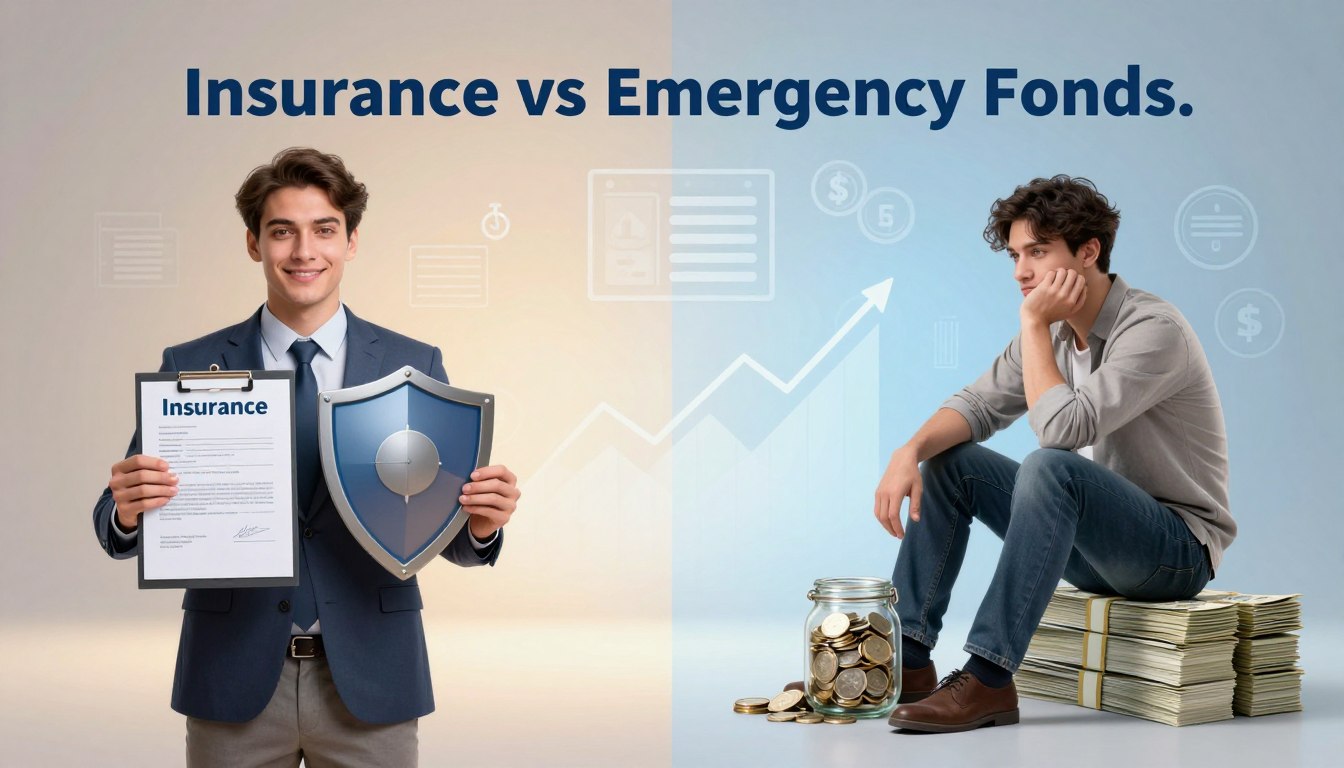
Which makes more sense for your household: instant cash you control or a contract that shifts risk?

The basic contrast is simple. An emergency fund is cash you keep and access fast for urgent bills. A policy transfers big risks to a company in exchange for premiums.
In this article we will compare and contrast how each tool works as part of a modern safety net. Expect clear guidance on access speed, cost structure, what each covers best, and how they affect overall security.
Most advisors suggest saving three to six months of living costs, but the right mix depends on job stability, dependents, and your tolerance for risk.
Practical scenarios—job loss, car repairs, or large medical bills—show why treating these options as either/or often fails. Combining both creates better protection and steadier finances and money management.
Why you need a financial safety net for unexpected expenses
A practical safety net lets you handle small shocks today without borrowing.
Timing matters: an unplanned bill this week can cause more harm than the same cost next month. Quick access to cash reduces stress and keeps your credit intact.
Everyday emergencies an emergency fund can cover fast
Fast-cash events that a liquid cushion handles well include a car repair, urgent dental work, a minor medical bill, or a short gap in payroll. These are the first costs you pay to avoid late fees and collections.
Paying those bills immediately prevents many households from turning to credit cards or high-interest loans. That avoids extra interest and protects your credit score.

Bigger financial shocks where insurance prevents long-term damage
Large, low-frequency costs—major medical events or serious property loss—can exceed even a solid cushion. That is where a policy steps in to stop long-term financial damage.
Simple contrast: a fund handles the first dollars; coverage protects against tail risks that can cause deep debt and long recovery times.
| Need | Quick cash solution | Protection for large losses |
|---|---|---|
| Minor car repair | Use liquid savings immediately | Not applicable |
| Short-term lost pay | Starter cushion covers bills | Disability policies help if long-term |
| Major medical bills | May drain savings | Health coverage prevents catastrophic costs |
| Home damage | Temporary repairs from cash | Property coverage for full recovery |
Both tools form a layered net that keeps credit healthy and reduces the chance of lasting debt. A single surprise is manageable; a series without a plan is dangerous.
Emergency funds explained: your liquid cushion for job loss and bills
A reliable cash cushion keeps small shocks from becoming long-term problems.
What an emergency fund is: a dedicated savings stash set aside for true crises, like sudden job loss or urgent bills. It’s the first line of defense because cash is usable immediately without approvals.

How much to save
Most advisors recommend three to six months of living expenses. Count essentials: housing, utilities, food, minimum debt payments, transportation, and insurance minimums.
Starter approach
Begin with a one-month fund of necessary expenses. That first month buys breathing room fast, then scale toward a larger target.
When to aim higher
If your income is variable, you work on commission, you’re the sole earner, or you have dependents, plan closer to six months (or more). More risk means a larger cushion.
Where to keep it
Speed and safety matter more than top returns. Use a high-yield savings account or a liquid account that offers quick access without penalties.
Common mistakes
Avoid using the fund for non-urgent wants, underestimating monthly needs, failing to refill after withdrawals, or locking money where it’s hard to reach. These errors push households toward debt instead of security.
| Goal | Quick target | Long-term target |
|---|---|---|
| Starter cushion | 1 month of living expenses | Scale to 3–6 months |
| Higher income risk | 3 months | 6+ months if variable income or dependents |
| Where to keep it | Checking for immediate use | High-yield savings for safety and some return |
Insurance basics: coverage designed for high-cost, low-frequency risks
Big, infrequent losses are what coverage is built to stop before they wreck your finances. Think of a policy as protection for events that could erase years of savings.

Health plans and major medical bills
Health insurance uses premiums, deductibles, and out-of-pocket maximums to limit what you pay for large medical events. A strong plan prevents medical bills from overwhelming even a healthy savings cushion.
Life protection for dependents
Life policies replace lost income so mortgage, childcare, and living costs continue after a death. For households with children or one earner, this coverage preserves financial stability.
Disability and income protection
Being unable to work interrupts income. Disability coverage keeps monthly payments coming so you don’t drain cash reserves over months of recovery.
Home, renters, and major property loss
Fire, theft, or severe damage can create costs most people cannot self-fund. Property coverage stops cascading financial harm and funds a full recovery.
Auto: liability first, comprehensive when it’s worth it
Liability protection is essential. Comprehensive coverage helps for theft or total loss but may be unnecessary on an older car where premiums exceed value.
“Coverage is designed to prevent catastrophic setbacks, not to pay for every small repair.”
Insurance vs Emergency Funds: how they compare in real life
Certain money gaps show the limits of savings and the value of purchased protection. Matching the financial tool to the event makes the difference between a quick fix and long-term strain.
Speed and access
An emergency fund pays immediately for repairs, copays, or rent without paperwork.
Policies usually need claims, documentation, and waiting. That delay can matter for day-to-day bills.
Cost structure
Savings cost you opportunity cost and require discipline to reach goals. A starter emergency fund of 1 month grows toward a 3–6 month target.
Policies charge ongoing premiums and often include deductibles and out-of-pocket costs when a claim pays out.
What each tool covers best
Small, frequent emergencies are usually cheaper to pay from a fund. Large, rare events are what a policy exists to cover.
In a real-life example, a minor car repair is often paid from savings, while a major accident or long hospital stay is covered by a claim.
Debt, credit, and overall impact
Cash reduces reliance on cards and loans and helps protect credit scores. Proper coverage prevents catastrophic balances that can erase savings.
A layered safety net — short-term savings plus essential policies — is the most resilient way to protect your financial security.

How to decide what to build first based on your needs
Start by looking at the gap that would force you to borrow tomorrow. If one missed paycheck would mean late rent, maxed cards, or unpaid bills, prioritize a starter emergency fund now.
When to make cash first: no savings, paycheck dependence, or single-income households should save one month of necessary expenses and then work toward three six months.
When coverage should come first: if you have dependents, known health needs, or high income risk, lock in essential health insurance and key policies before aiming for a large savings balance.
Balance both by keeping a one-month fund while paying premiums for vital coverage. Grow savings while avoiding underinsured gaps.
| Risk | Action | Why |
|---|---|---|
| Job loss risk | Build toward six months | Reduces pressure during a job transition |
| Dependents/high medical need | Secure coverage first | Prevents irreversible financial harm |
| Premium vs deductible choice | Match deductible to savings | Higher deductible lowers premiums but needs cash for out-of-pocket expenses |
Policy pitfalls to avoid: underinsuring leaves you exposed; overinsuring diverts savings; the wrong deductible makes coverage unusable. Review coverage after marriage, a child, buying a home, changing jobs, or starting a business.

Conclusion
Combining quick-access savings with formal protection gives you the best defense against financial shocks.
An emergency fund handles immediate, smaller surprises fast. A dedicated fund pays deductibles, urgent bills, and short gaps in income so you avoid high-interest debt.
Insurance steps in for major, rare losses that could otherwise wipe out your savings. Together they form a layered safety net that boosts long-term security.
For example: use your fund to cover the deductible and immediate bills, while a health policy pays larger medical costs.
Action checklist: calculate monthly essentials, set a savings target that gives enough cover for your risks, and review coverage after major life changes.